Which clinic PPC campaign should a practice launch first?
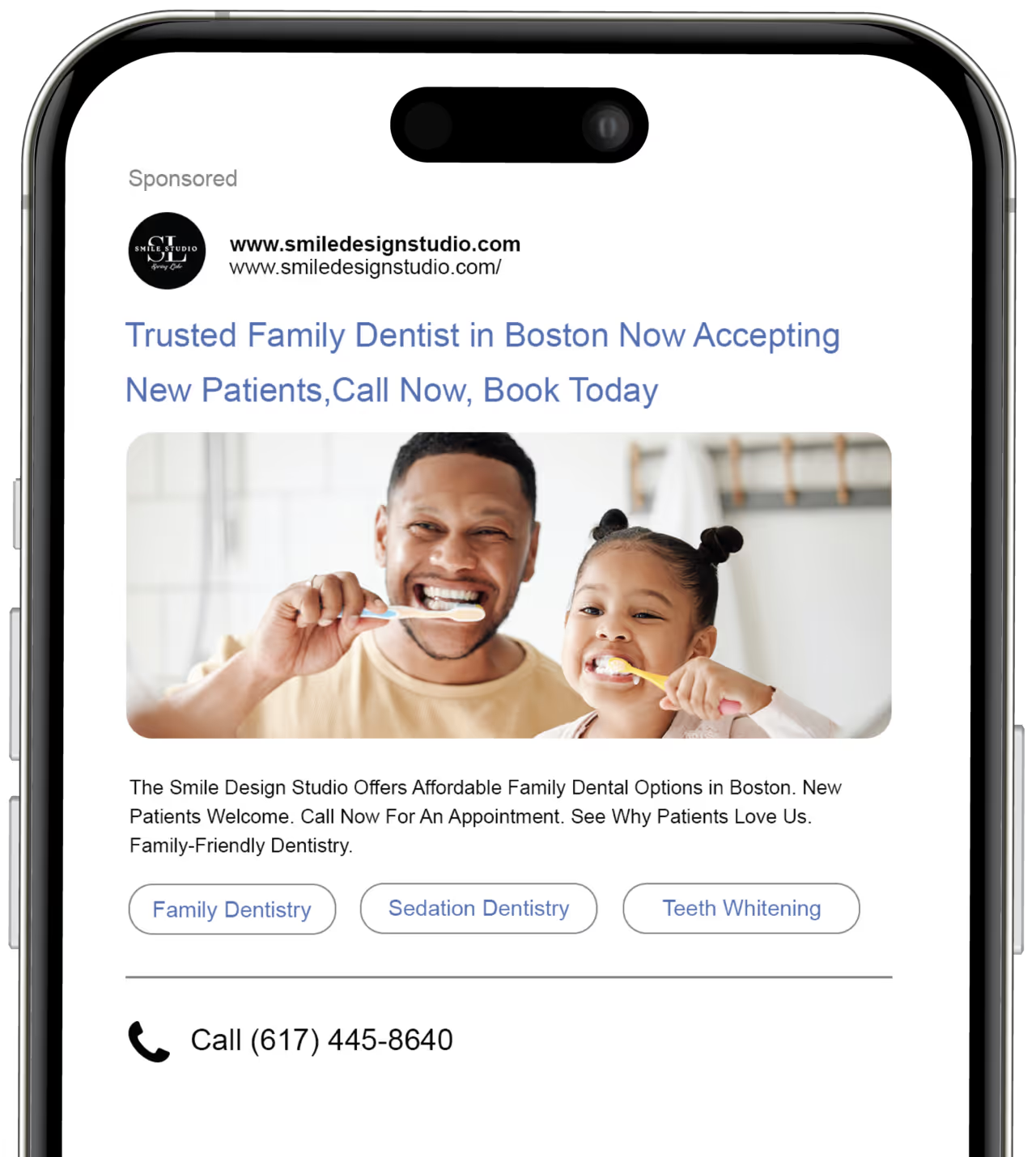
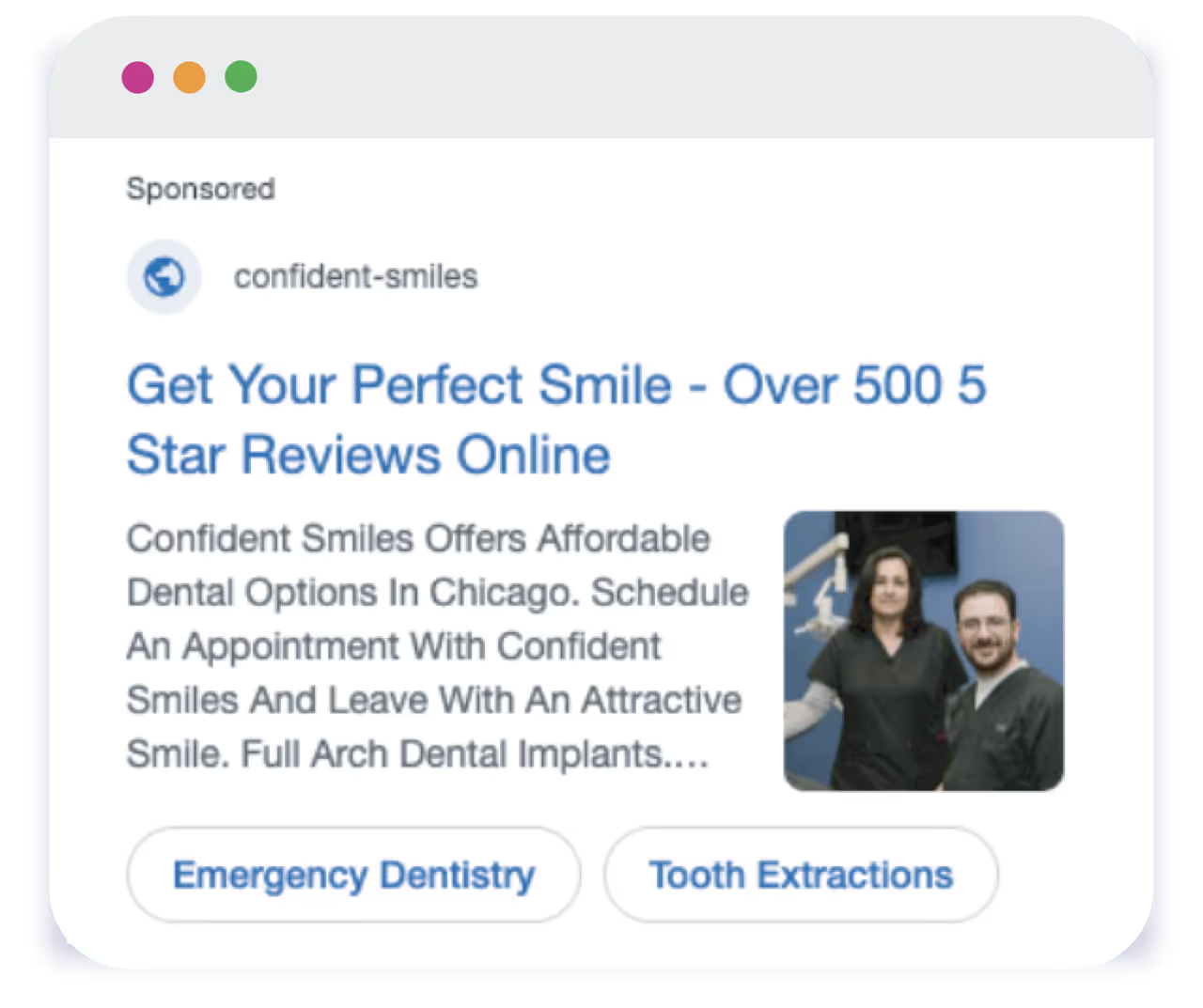
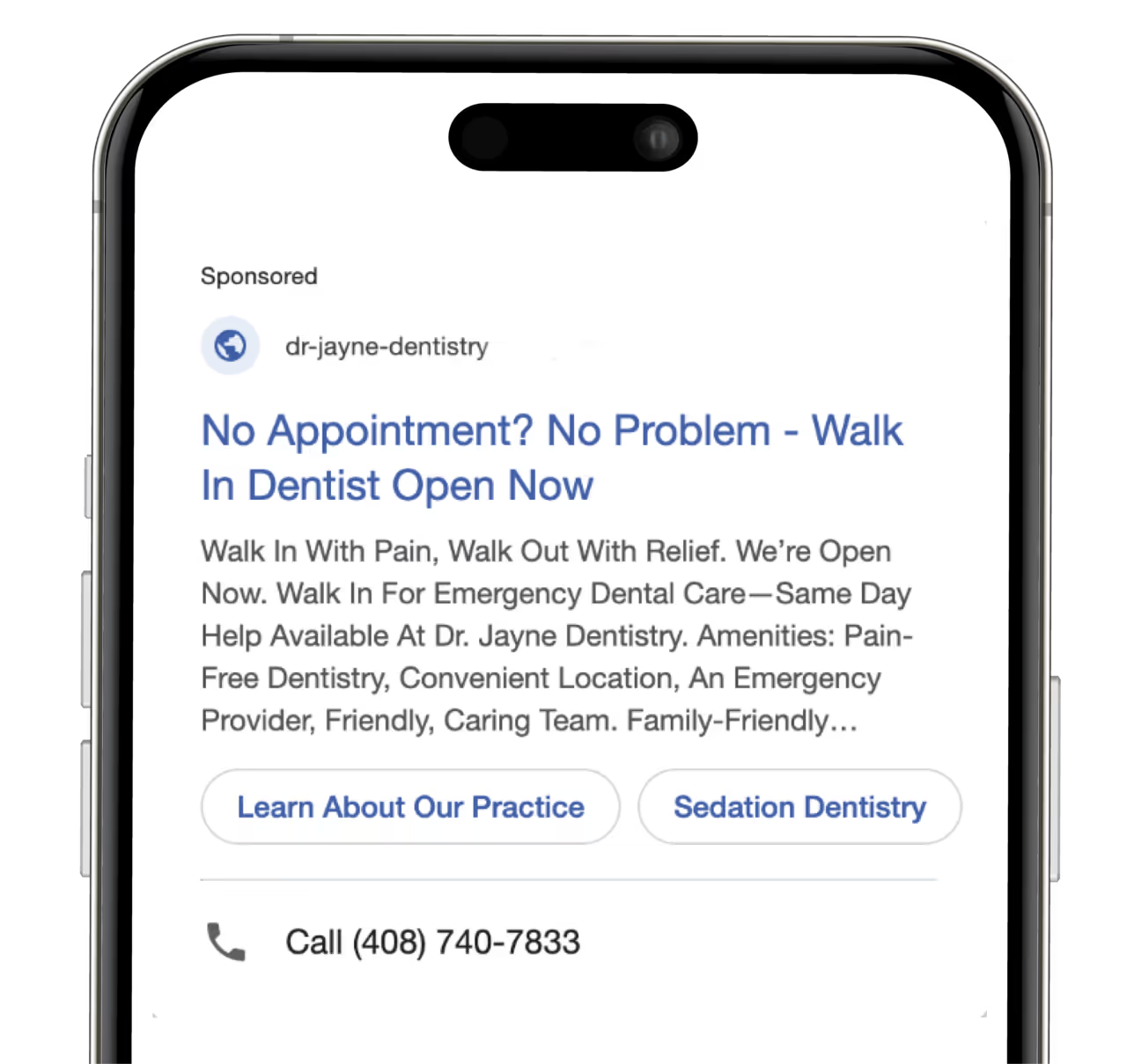
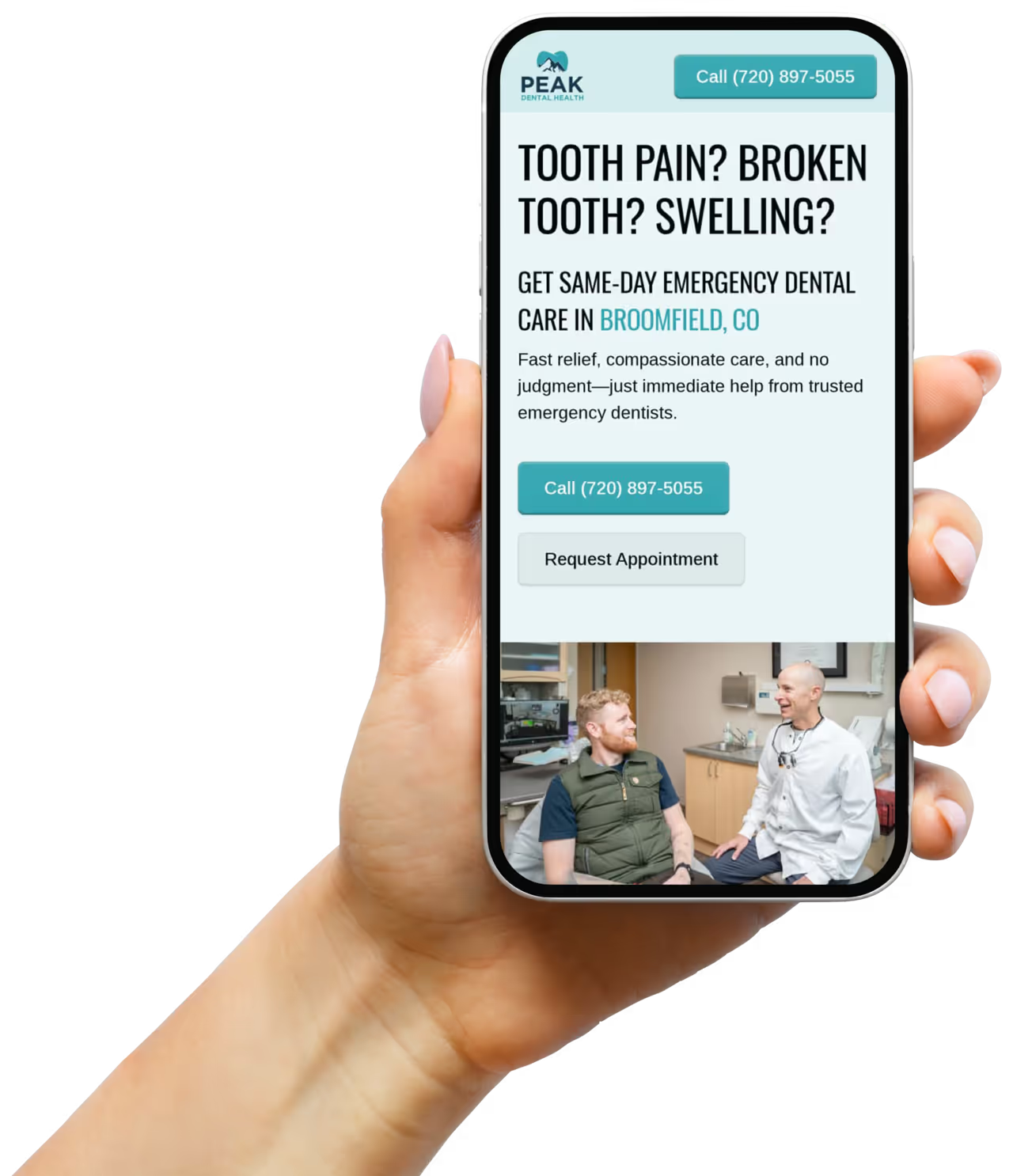
Start with clinic emergency if you have same-day capacity, and location/"clinician near me" if you don't. Emergency campaigns convert fastest because searchers have urgent need, low price sensitivity, and almost no comparison shopping — but they only pay off if your front desk can actually see that patient today. If your schedule is booked out two weeks, those clicks are wasted. Location campaigns are the safer first build: broader volume, lower cost-per-click, and they establish the conversion tracking and negative keyword foundation every later campaign inherits. Layer in cosmetic, implant, or Invisalign campaigns once your baseline cost-per-new-patient is known.
How should a independent clinic split its PPC budget across these five campaigns?
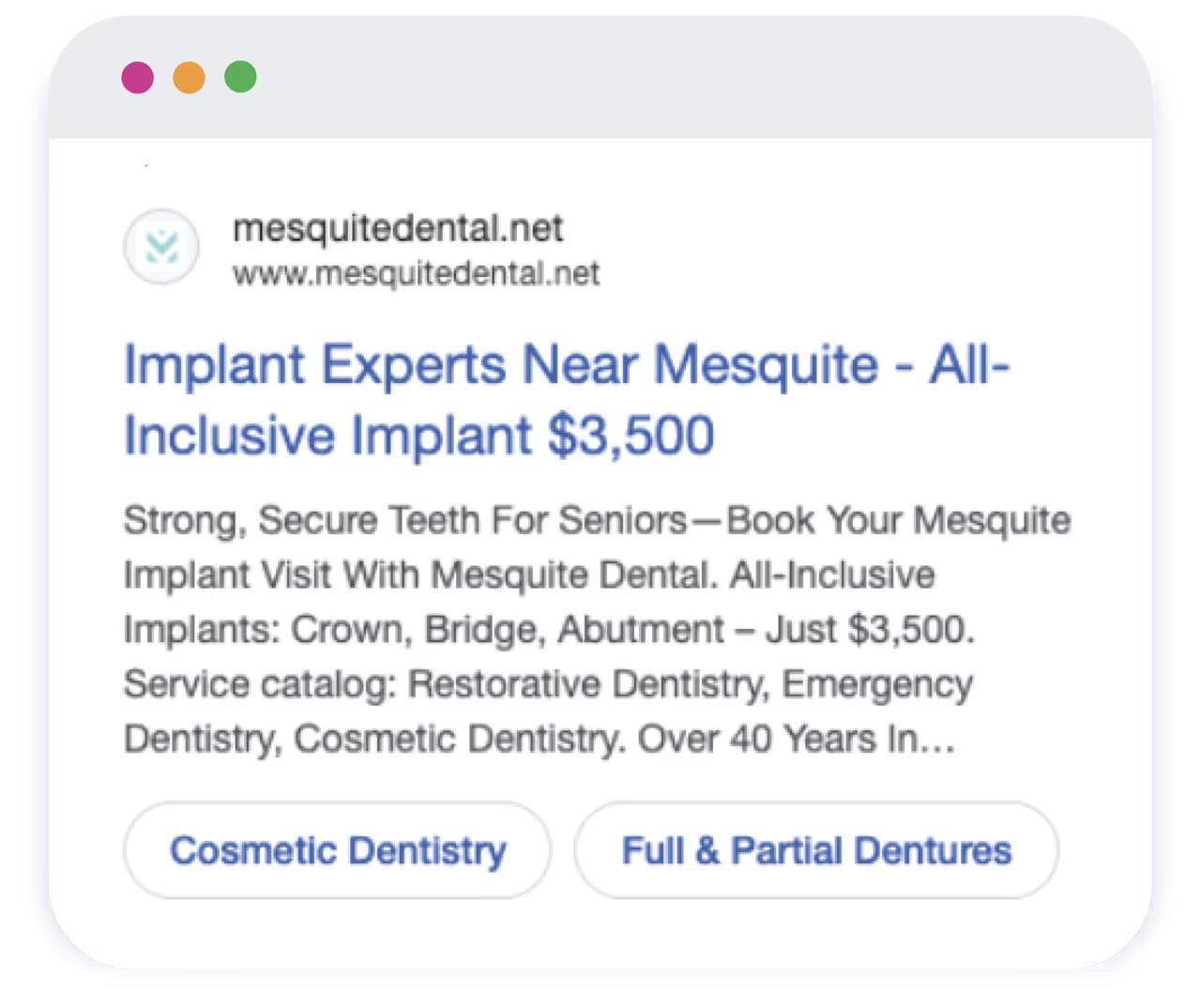
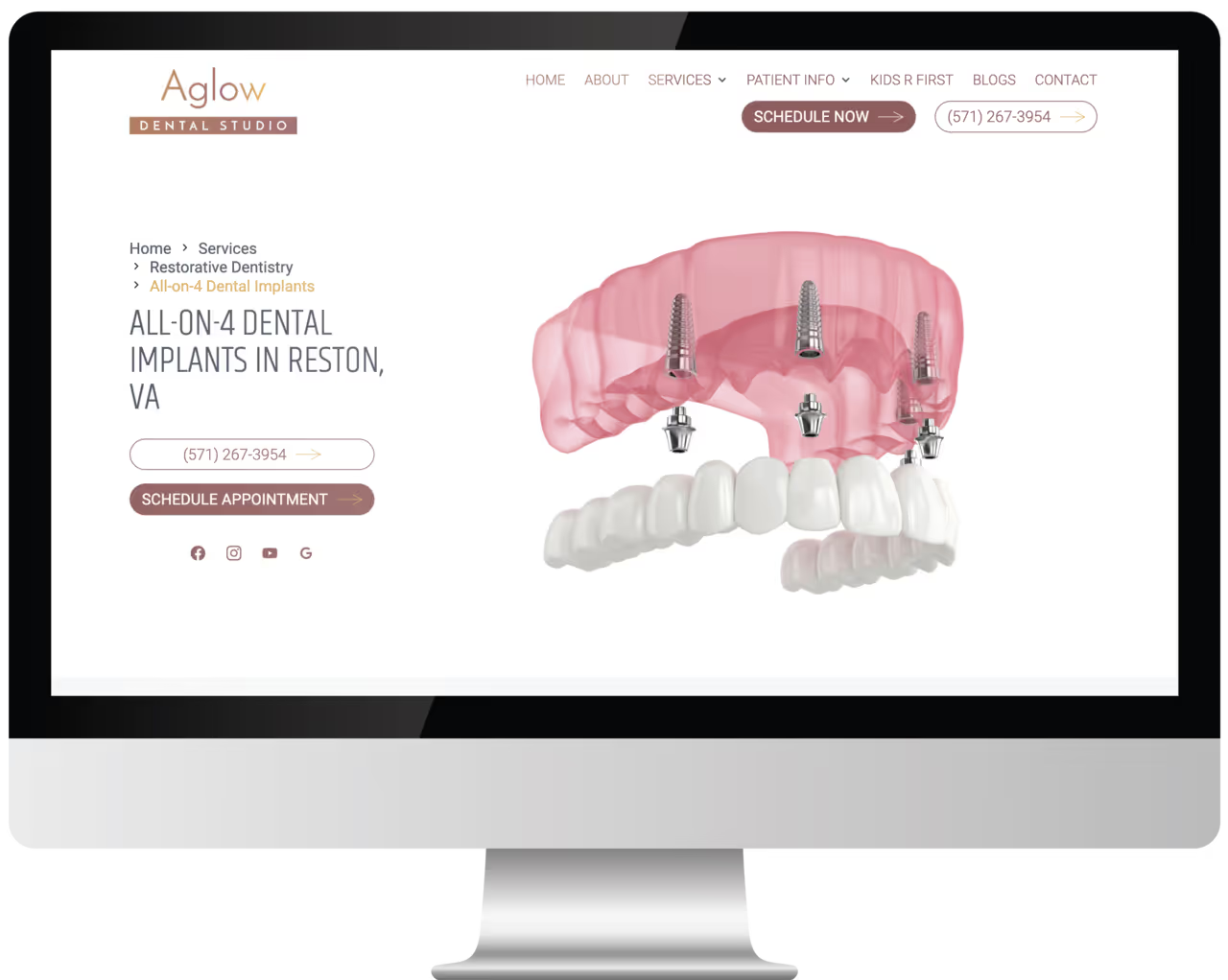
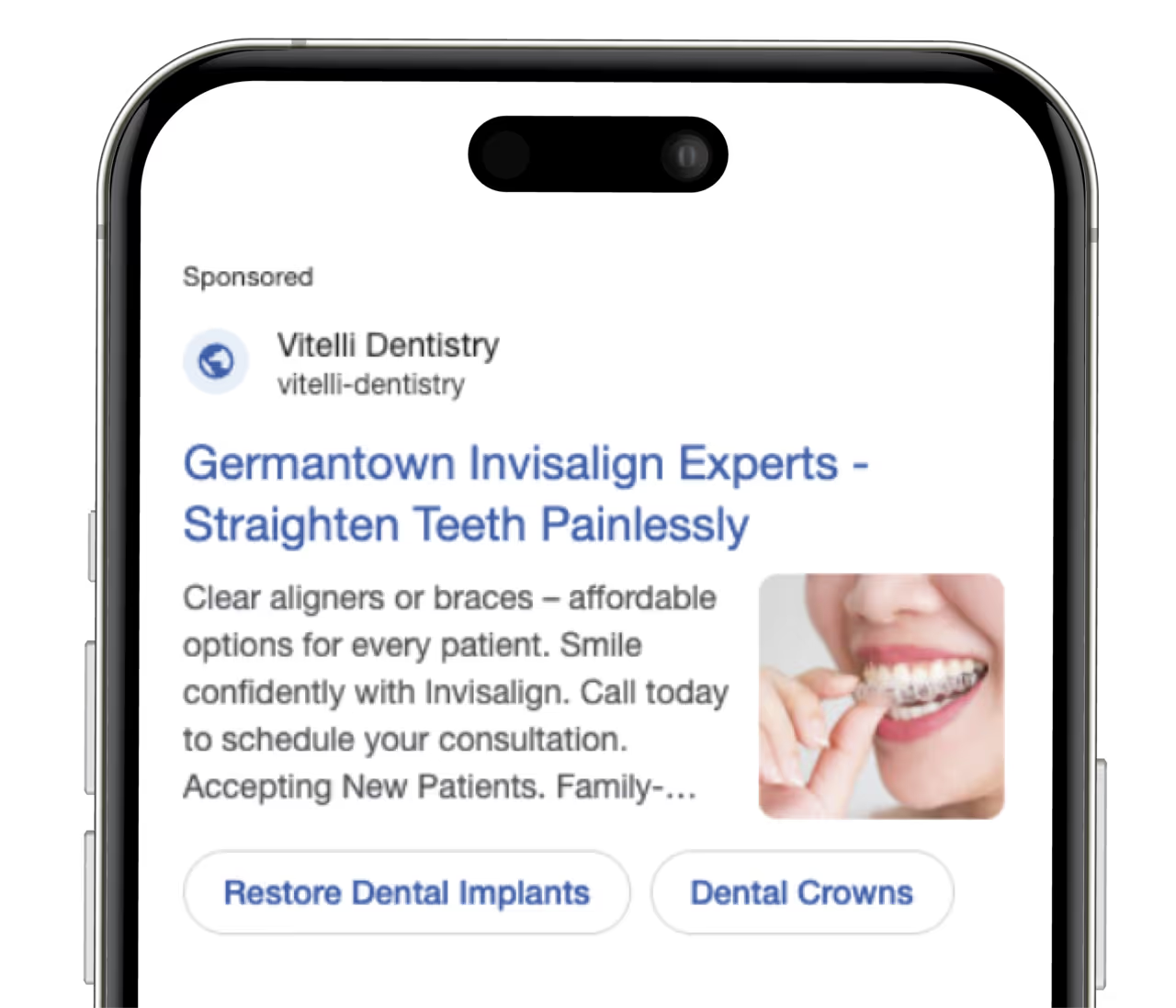
Most practices should not launch all five at once. A common starting split on a $3,000/month budget is 40% to location/"clinician near me," 30% to clinic emergency, and 30% to your single highest-value elective service — implants/All-on-X or Invisalign, whichever your practice is actually built to deliver. Location and emergency campaigns produce volume and cash flow quickly; elective campaigns carry higher case values but longer decision cycles, so they need 60–90 days of data before their true cost-per-case is clear. Reallocate monthly based on cost-per-booked-patient, not cost-per-click — a $40 emergency click that books at 60% beats a $12 cosmetic click that books at 8%.
What are the best negative keywords for clinic PPC campaigns?
Every clinic Google Ads account should exclude five categories from day one: employment terms (clinic assistant jobs, hygienist salary, clinic school), free and low-cost care (free clinic work near me, low income clinician, clinic charity), government insurance if you don't accept it (Medicaid, Medicare, CHIP, state clinic plan), DIY and educational queries (how to fix a cavity at home, tooth pain remedy, what does a cavity look like), and competitor or direct-to-consumer brands you can't fulfill (SmileDirectClub, Byte, Aspen Clinic). Add product and supply terms too (clinic chair, ultrasonic scaler) if you run broader match types. Audit your search terms report weekly for the first 60 days — that's where the real negative keyword list gets built.
Should a independent clinic run Google Ads in-house or hire an agency?
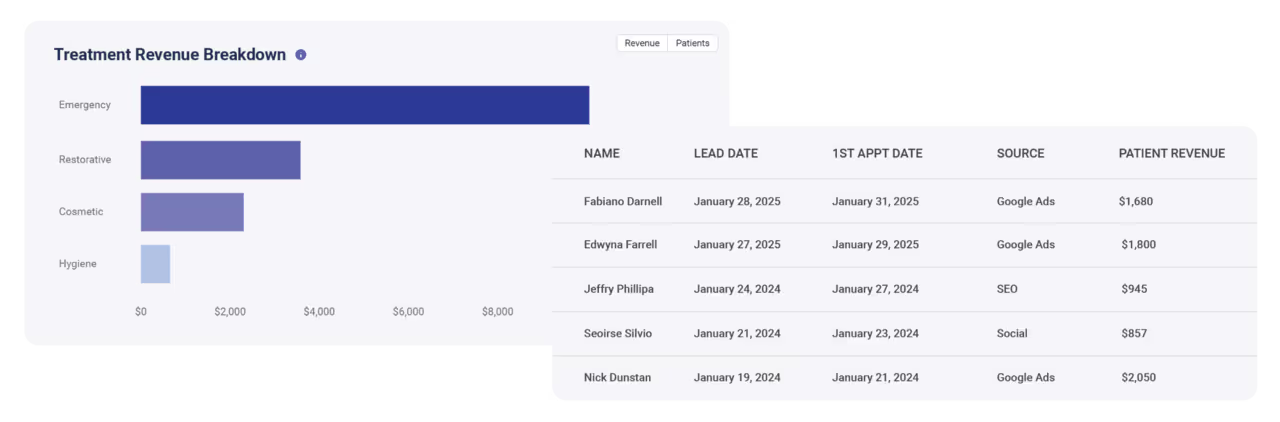
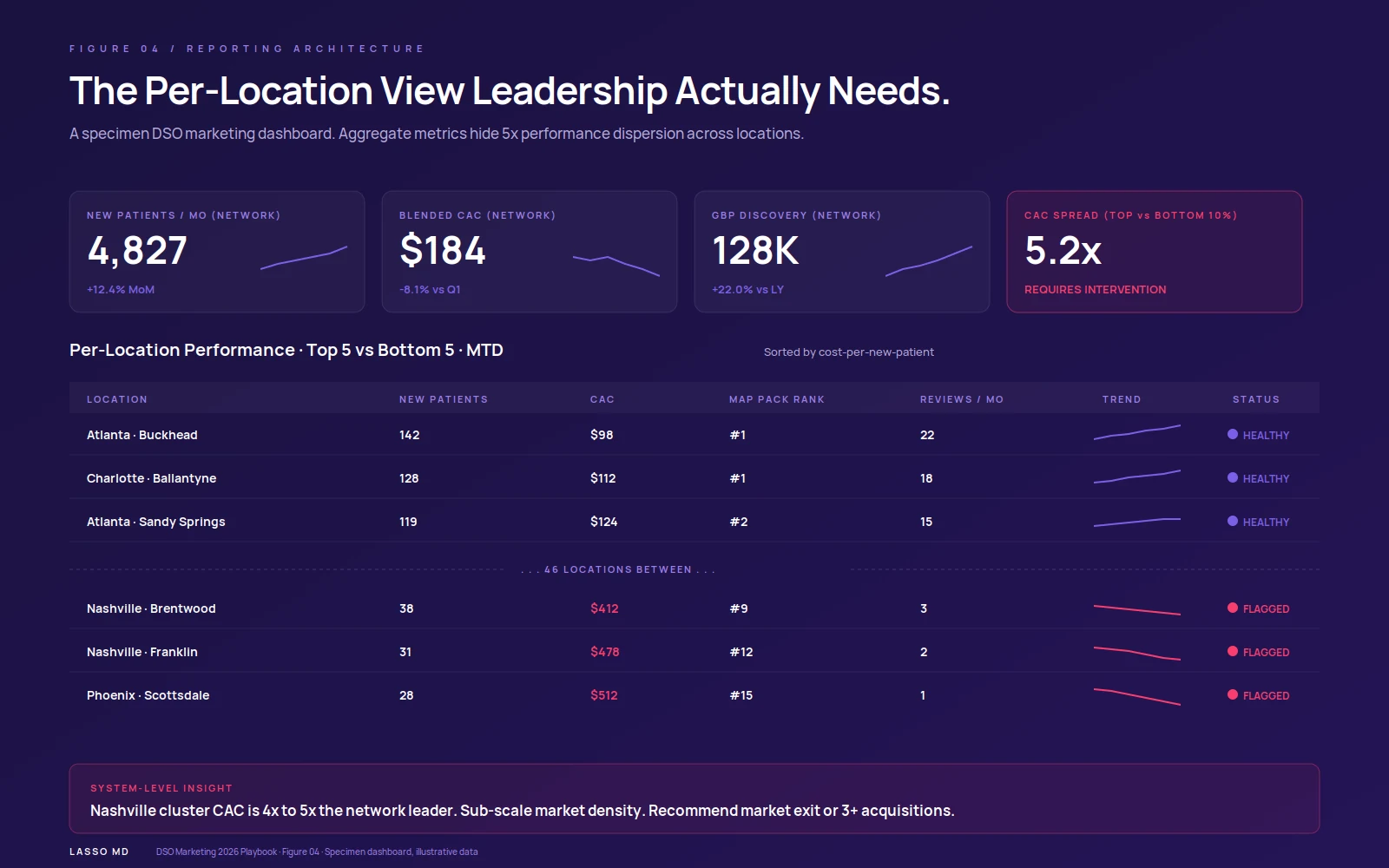
Practices with a dedicated marketing employee and $5,000+ in monthly ad spend can make in-house work, but most single-location offices lose money trying. The reason is time, not intelligence: clinic PPC requires weekly search-term audits, monthly A/B tests, negative keyword maintenance, and landing pages built separately from your main website — realistically 10–15 hours a month of skilled work. When that falls to an office manager who already runs the schedule, campaigns drift and cost-per-patient climbs. The other factor is benchmarking. An agency running dozens of clinic accounts knows what a normal cost-per-implant-consult looks like in your market; running one account, you have no comparison point and can't tell an underperforming campaign from a competitive one. Whichever route you choose, insist on tracking that connects ad spend to booked appointments and completed treatment revenue — not just clicks and form fills.